AI resume screening is an automated hiring technology that uses algorithms based on machine learning (ML) and natural language processing (NLP) to assess, rank, and filter job applications before human review. The screening is meant to compare resumes and applications against job requirements.
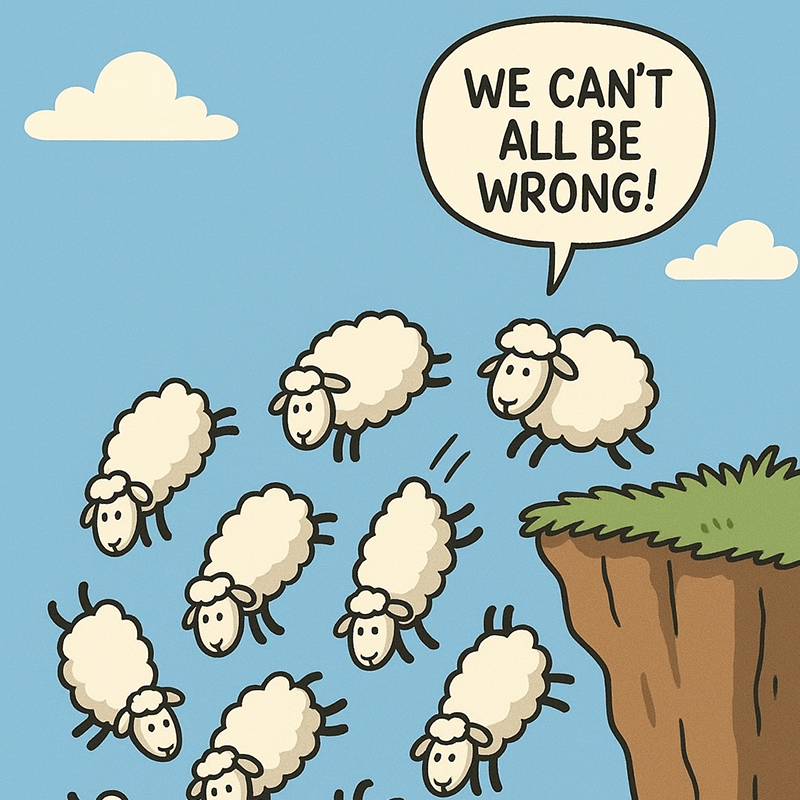
Because they are trained on data that reflects ingrained societal biases, these tools may be unintentionally discriminatory. This can result in “groupthink”, defined by ScienceDirect as “a flawed decision-making process in which groups prioritize consensus over the careful evaluation of alternative options.” In August 2025, McKinney Law Firm, P.C. reported that a federal court ordered a major HR software company to turn over their list of all employers that used its AI tool to screen job applicants, claiming it automatically rejected qualified candidates over 40.
Following are some lesser-known “tells” you may not have considered.
Ableism – Algorithms may disadvantage disabled candidates. A University of Washington study recommends leaving off autism-related awards or memberships. During asynchronous interviews, the company software may prioritize specific speech patterns, facial movements, or interaction speeds that may not be compatible with screen readers for the visually-impaired.
Race: In 85% of cases, resumes with black-associated names were selected only 8.6% of the time compared to white-associated names.
Gender: Although gender bias is less common, male-associated names were preferred a little more than 50% of the time. Even if your name is gender neutral, be careful to avoid gender specific words (chairman instead of chairperson) and language undertones (manpower instead of workforce.)
Religion: Evidence suggests that resumes with religious affiliations receive fewer responses from hiring managers. The UConn Center for Career Readiness and Life Skills reminds us to exclude any mention about your religion or beliefs from your resume. And, be thoughtful about listing faith-specific volunteer and professional organizations to avoid introducing potential bias.